Citing an anxious bevy of comments, tags, and Messenger pings, Facebook parent company Meta voiced a growing concern over the weekend regarding the sudden absence of Richard “Murph” Murphy from the platform.
“Murph is the Tom Hanks of social media,” said Meta spokesperson Jennifer Ibáñez. “Humble, wholesome, and consistent. He’s the most ordinary person you’ve ever met.
“Virtually, that is,” added Ibáñez.
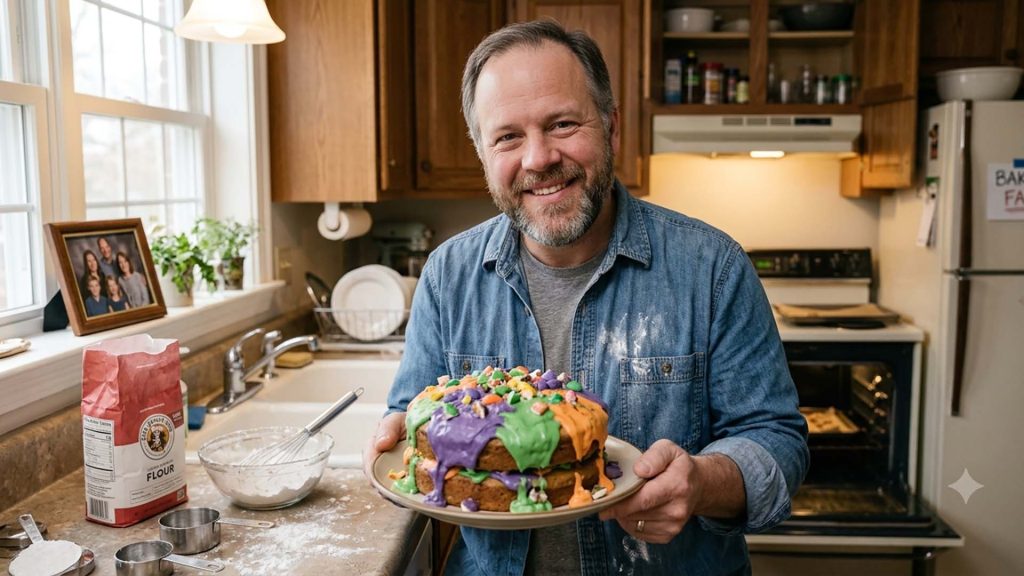
Whether he’s posting pictures of his two young children at the local park, sharing a recipe he “definitely didn’t get right the first time lol,” or wishing his mother a happy birthday two days late with a photo from 2009, Murph had spent nearly two decades building a modest following of friends and family who were delighted by his persistent good spirits and unwillingness to post anything that could be mistaken for an opinion.
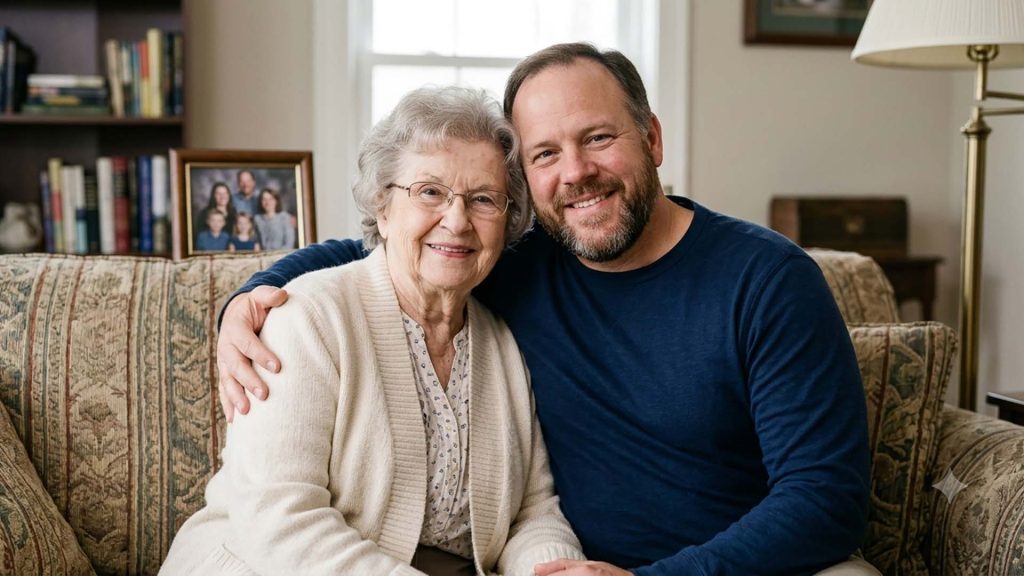
“Our internal metrics show the platform is currently ninety-four percent AI-generated slop and sponsored content,” Ibáñez continued. “The remaining six percent are men in their fifties re-litigating the 2020 election, and frankly, we’ve never been able to confirm how many of those are real people. What we can confirm, company-wide, is four human beings still posting organically without an agenda. Murph is one of them. We built an entire trust-and-safety division just to protect his feed from finding that out.”
A leaked internal document from November 2015, titled simply “Murph Continuity Plan (DO NOT FORWARD)”, appears to confirm that leadership has treated Murph’s account as critical infrastructure for years. The nine-page memo outlines protocols for a “Murph-Adjacent Extinction Event,” designates his cousin Katie as a “secondary organic content vector,” and closes with a section, reportedly added years later, called “What Do We Actually Have Without Him.”
“I know some of you thought it was foolish to spend $80 billion on a metaverse nobody asked for,” announced Meta CEO Mark Zuckerberg at an emergency all-hands meeting Saturday night. “You were right. But here’s the thing nobody wants to say out loud: none of it mattered. Not the Llama models. Not the smart glasses. Not Threads. This company has one asset that actually works, and it’s a guy in Poughkeepsie who doesn’t know we exist. If something happened to Murph, we don’t have a second act.
“I want everyone ready to pack it in,” Zuckerberg added. “Javier [Olivan], you’ll cancel the utilities? Andrew [Bosworth], just put it all on eBay. I’ll make the last pass through to turn off the lights.”
Few tears were reported among the staff. Instead, employees lined up quietly at the free snack wall, filled brown paper bags one last time, and left without a word to each other—the specific silence of a company that always knew this day was coming and never once discussed it out loud.
Outside Meta, grief gave way to arithmetic. On the prediction markets, significant money was on the line. “I’m long YES on ‘Murph Injured, Maimed, or Comatose by Friday,'” said Kalshi trader Peter Blanchard. “There’s a separate contract for ‘Murph Dead by Friday.’ It’s trading at half a cent.” Blanchard paused. “Not because it’s unlikely,” he added, tears forming in his eyes, “it’s just that nobody watching this order book can bring themselves to price it any higher.”
By Sunday evening, the Menlo Park campus sat almost entirely dark, save for a single lit conference room where three engineers sat refreshing Murph’s profile in silence, the way people once kept vigil in hospital waiting rooms.
At press time, it’s been reported that Richard Murphy is dead. Meta representatives were not available for comment, owing to mass layoffs and abdications.